
Stock Location Labeling Systems
Labeling Systems Built for Accuracy, Traceability, and Scale
Designed for high-volume distribution centers that require reliable barcode scanning, complete inventory visibility, and labeling systems built to perform under real operational pressure.
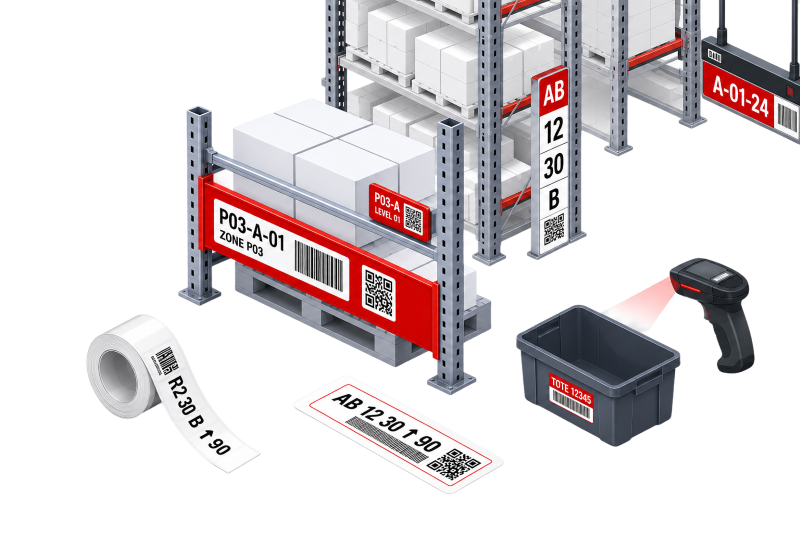





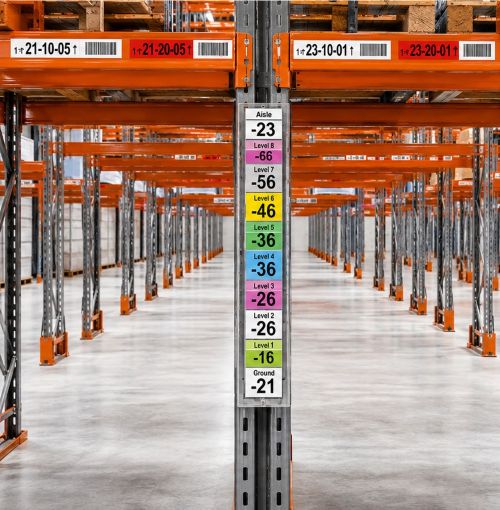
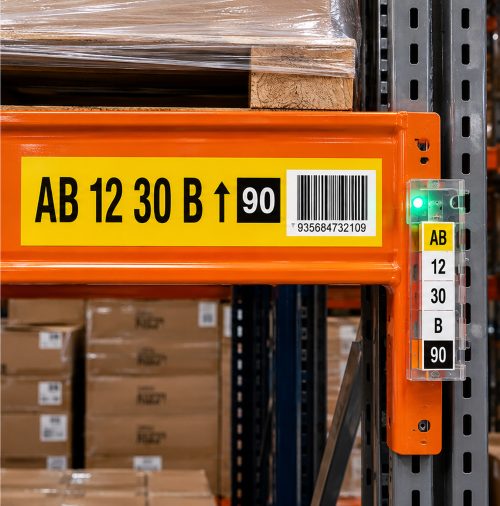
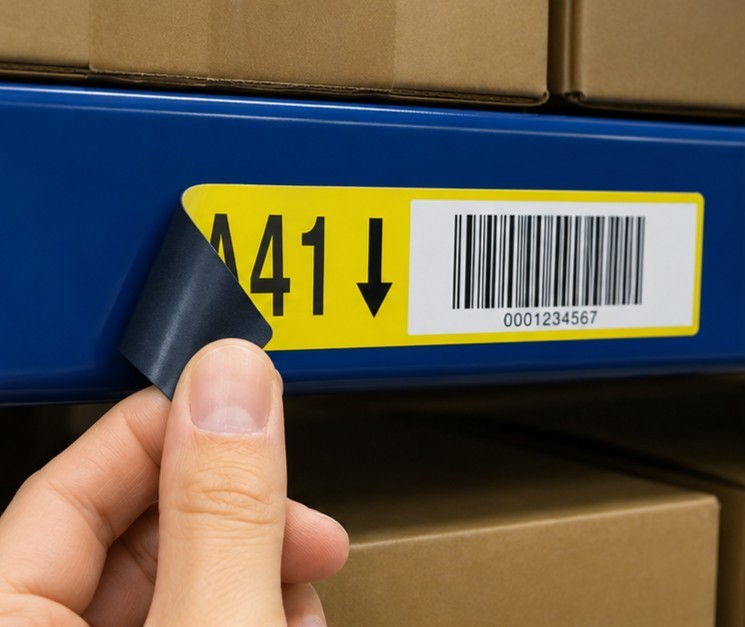
Rack Location Labels
Built for long-range visibility and consistent scanning in large-scale warehouse environments. Designed for pallet racking and high-density storage systems, providing clear, durable identification for every storage location.

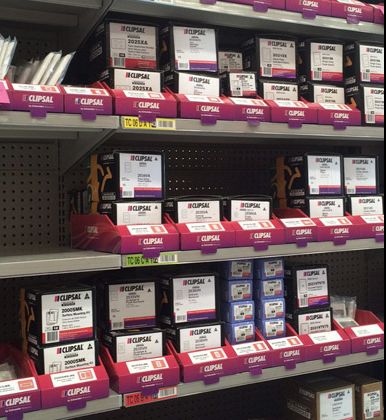
Shelf & Picking Labels
Optimized for fast-paced picking environments, ensuring clear SKU identification and efficient workflow at the shelf level. Supports accuracy and speed across high-volume picking operations.
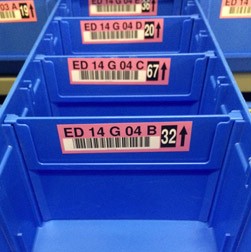
Tote, Bin & Storage Labels
Flexible labeling solutions that can be repositioned as layouts or inventory change, without compromising visibility or barcode performance.

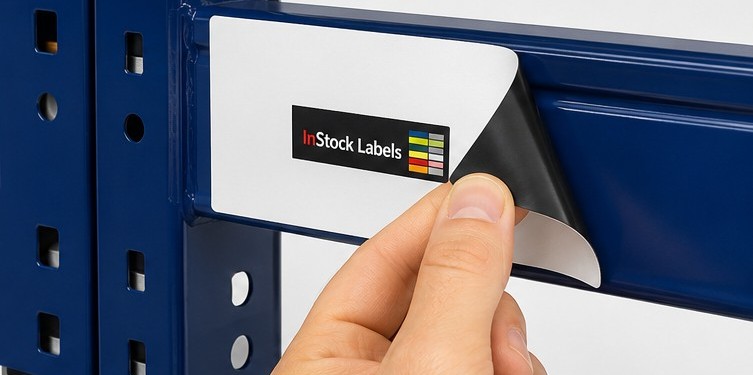
Metal & Magnetic Label Solutions
Durable and flexible labeling options designed for demanding environments and operations that require regular updates or reconfiguration.
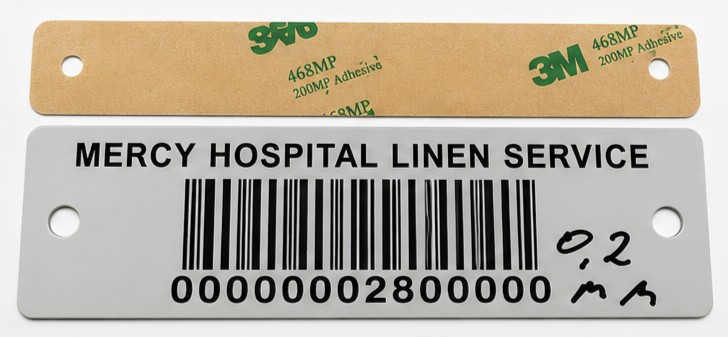
Barcode & Identification Labels
Heavy-duty labels designed for harsh or industrial environments where long-term durability and resistance to wear are essential.

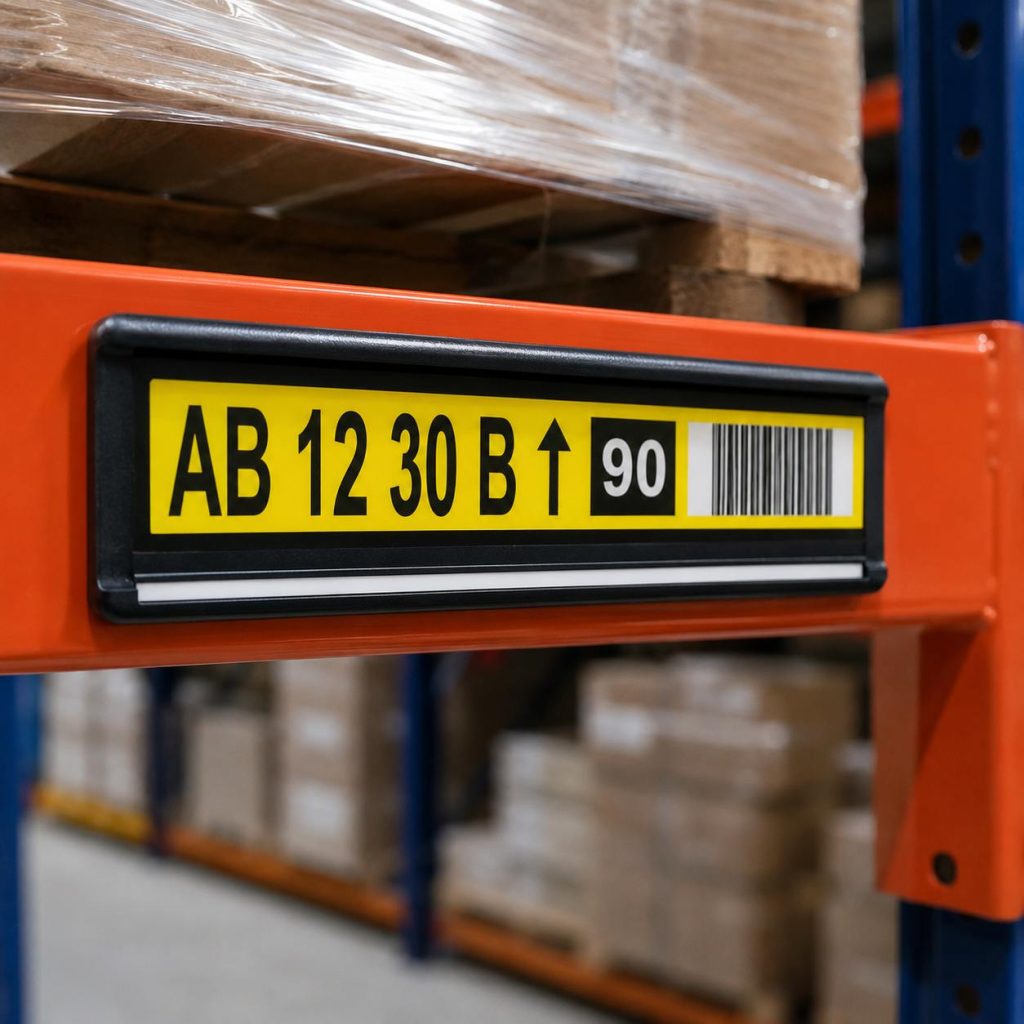
Additional Labeling Solutions for Specific Applications
Alongside core labeling systems, we also provide specialized solutions designed for specific warehouse environments and operational requirements.
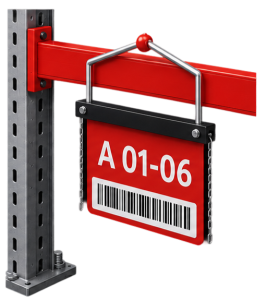
Garment Hanging Labels
Designed for hanging storage systems, providing clear visual organization and fast identification for apparel and suspended inventory.
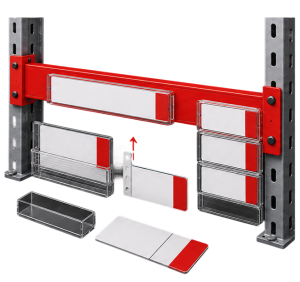
Blank & Sequential Labels
Flexible labeling solutions designed to support structured warehouse systems and adapt to changing operational requirements.
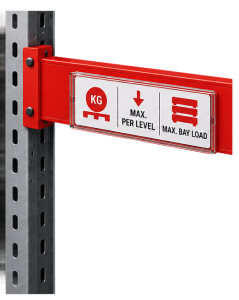
Rack Load Notices
Clear, compliant signage designed to communicate safe load limits and support workplace safety standards.
Where Stock Location Labeling Breaks Down
In large-scale warehouse environments, small labeling issues quickly turn into operational problems, and they’re costly to fix once your system is live.

Inconsistent Location Identification
Labels that aren’t standardized across racks, shelves, and zones create confusion, slow picking, and increase error rates.
Poor Barcode Performance
Low-quality or poorly specified barcodes lead to scan failures, manual workarounds, and unreliable data.
Lack of Planning and Traceability
When labeling isn’t treated as part of a system, traceability breaks down, making it harder to track product movement when it matters most.
Costly Rework After Installation
Fixing labeling issues after go-live creates operational disruption, increases labor costs, and leads to unnecessary rework that could have been avoided.
Our Labels Are Designed to Work As One Complete Labeling System
Designed to Work As One Complete Labeling System
Consistent
Standardized across every location
Scannable
Reliable barcode performance
Scalable
Built to grow with your operation
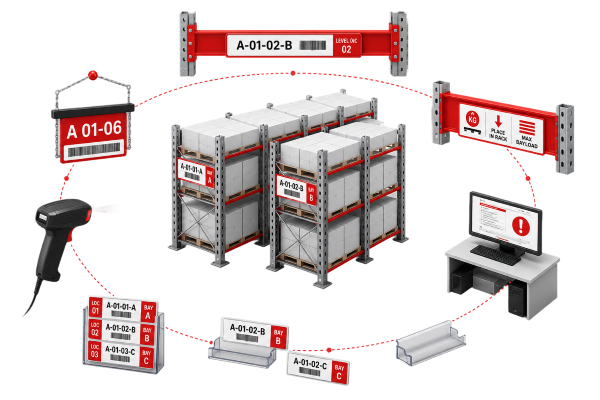
A high-performing labeling system isn’t built from individual products, it’s designed as a complete system from the start.
When labels are specified in isolation, problems show up later: inconsistent location identification, poor scan performance, and costly operational rework.
We design labeling systems where every component works together to support accuracy, efficiency, and long-term performance across your entire operation.
Built for Reliable Scanning and Traceability
As traceability requirements continue to evolve across the US supply chain, the ability to accurately identify and track products is becoming increasingly critical.
We design systems aligned with GS1 standards to help ensure your labeling supports accurate data capture, reduces reliance on manual processes, and is prepared for evolving traceability requirements.
GS1-aligned barcode standards
Consistent, high-performance scanning
Designed for real warehouse conditions
Supports accurate, end- to-end traceability
Plan Your Stock Location Labeling Project
Tell us about your warehouse, and we’ll design a labeling system tailored to your layout, workflows, and operational requirements.